
Building Curveballs: How to Make Calm, Confident Decisions
You can plan every detail of your new build.
Refine your floor plan.
Select every finish.
Document every colour.
And still — something unexpected will happen.
That’s not a sign of a bad builder.
It’s not a sign the project is off the rails.
It’s simply the reality of building.
What matters most is how those moments are handled.
A REAL EXAMPLE: THE WRONG WINDOWS ARRIVED
I’ve been working with a lovely Central Queensland family for over two years — refining their custom new build from early floor plan development right through to every internal and external selection.
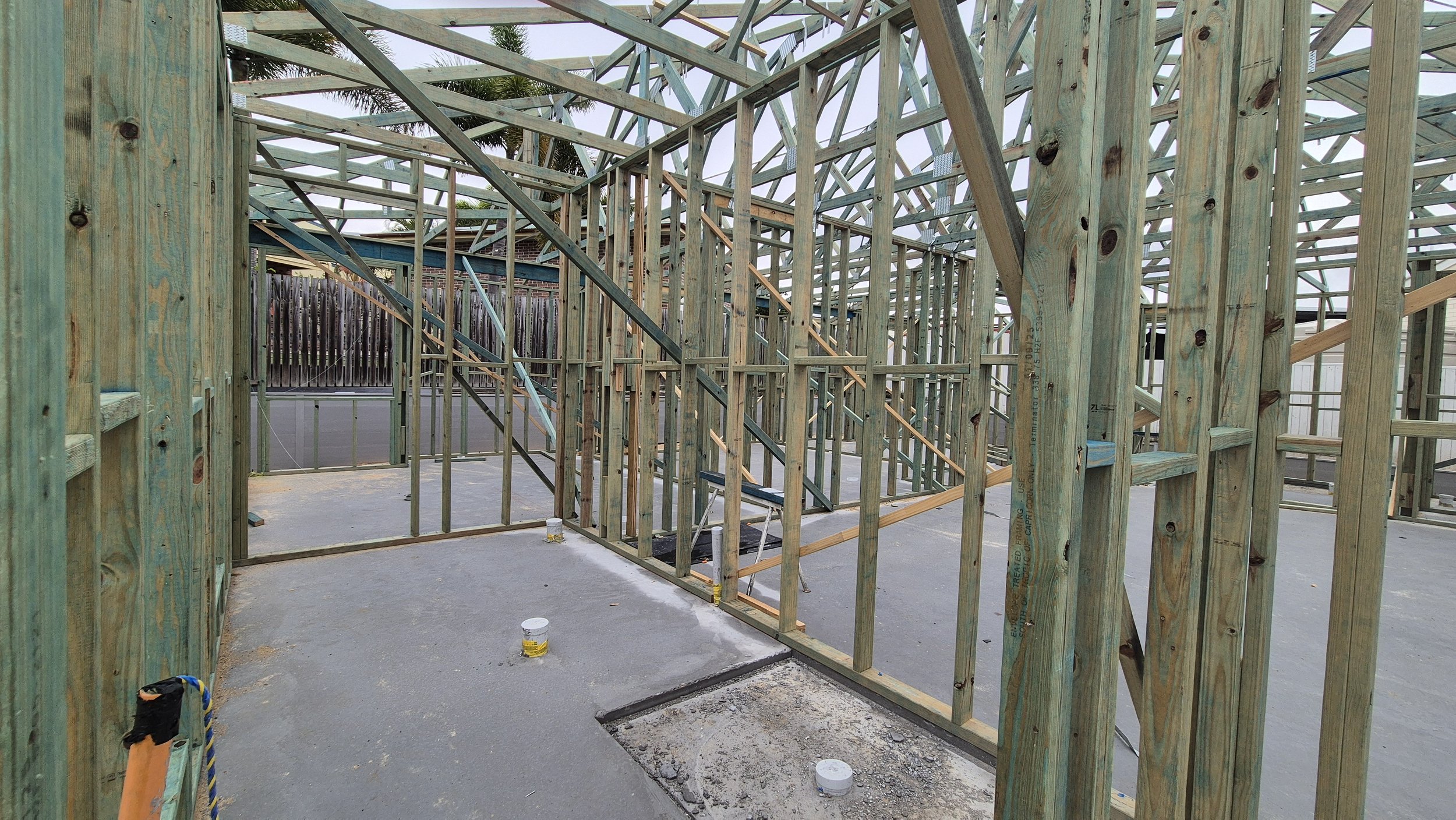
The home is currently under construction.
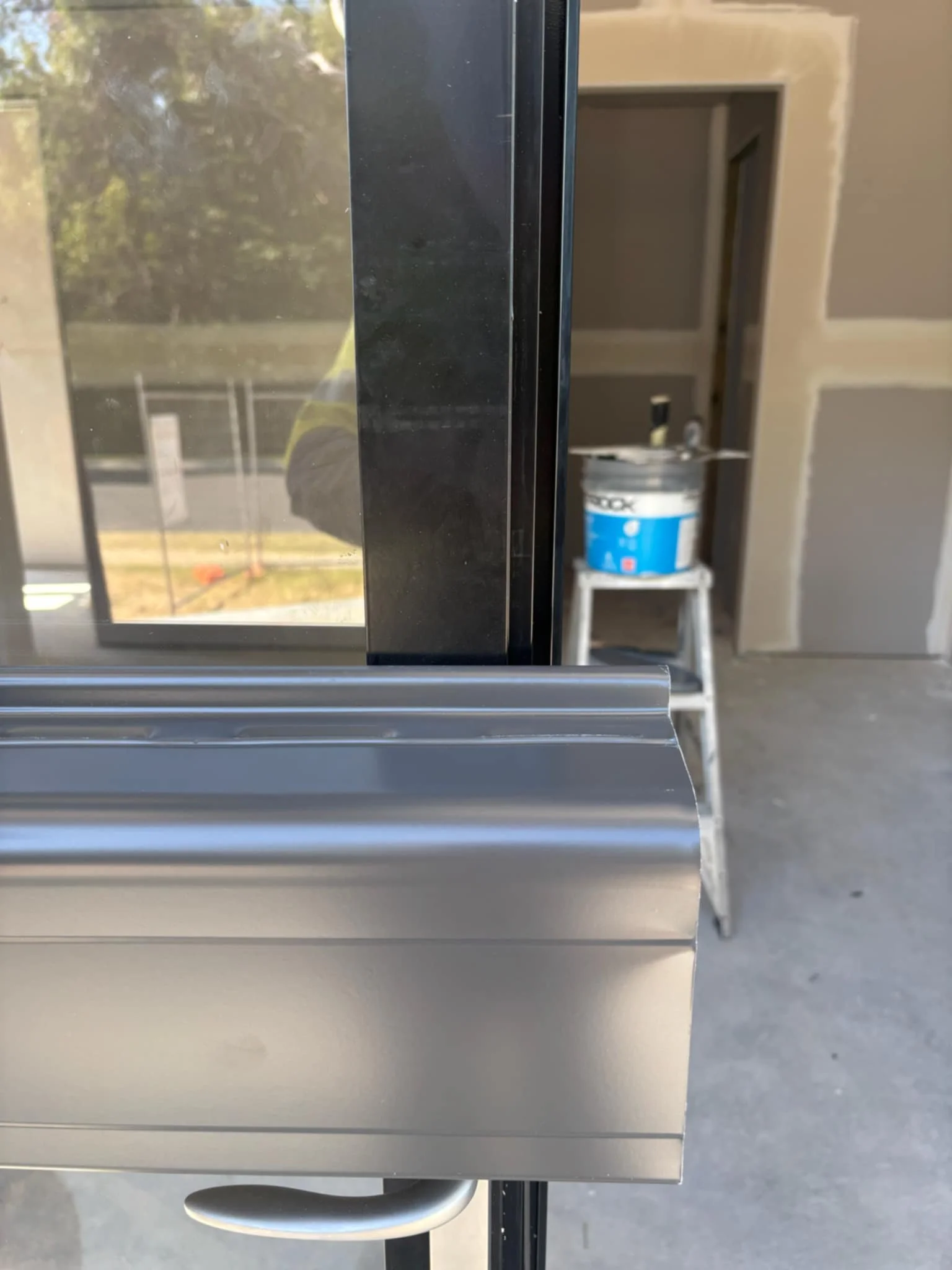
Recently, all of the windows were delivered and installed in the wrong colour.
The specification clearly stated Monument.
Black was supplied instead.
This was a supplier error — completely outside of the client’s control.
Now here’s where things get interesting.
Because when something like this happens, the first reaction is often emotion:
“That’s not what we chose.”
“This isn’t right.”
“It needs to be fixed.”
But building decisions can’t be made on emotion alone.
They need to be made with context.
Step One: Zoom Out
Before reacting, we looked at the bigger picture.
• How different is Monument from black in reality?
• How does it impact the façade as a whole?
• Will it change the overall feel of the home?
• What are the timeline implications?
When we reviewed the elevations and overall palette, the difference was subtle. The home was already anchored with darker external elements, and visually, the shift wouldn’t dramatically alter the final result.
Step Two: Weigh the Trade-Offs
Requesting replacement would mean:
• Removing installed windows
• Reordering
• A six-to-eight week delay
• Flow-on impacts to trades and scheduling
For this family, that delay would push back their move-in timeline significantly.
So the real question became:
Is the visual difference worth the time, stress and disruption?
There’s no universal “right” answer in moments like this.
There’s only the answer that feels settled when you’ve properly weighed the variables.
The Role of a Designer During a Build
This is the part many homeowners don’t realise.
An interior designer isn’t just there to choose finishes at the beginning.
When we’re engaged across the entire build process, we become your sounding board when unexpected issues arise.
We:
• Review documentation
• Assess impact on the overall design vision
• Help separate emotional reaction from long-term practicality
• Provide a balanced, informed perspective
Sometimes the right decision is to hold firm and request correction.
Other times, the wiser decision is to move forward — confidently — knowing the impact is minimal.
The key is not making that call alone.
Why This Matters
Building a home is emotional. It’s a major investment. It’s personal.
When something goes off-script, it can feel bigger than it actually is.
But calm, informed decisions protect more than just your timeline — they protect your energy.
And for busy families juggling work, school, sport, and life in general, that energy matters.
You don’t need perfection.
You need clarity.
And you need someone who understands both the drawings and the bigger vision standing beside you when the curveballs come.
If you're planning a custom new build or major renovation in Central Queensland and want support that goes beyond selecting tiles and tapware, I’d love to guide you through the process — from early planning right through to construction.
Because issues might be inevitable.
But stress doesn’t have to be.